Last Updated on September 1, 2026 by KM-nerd
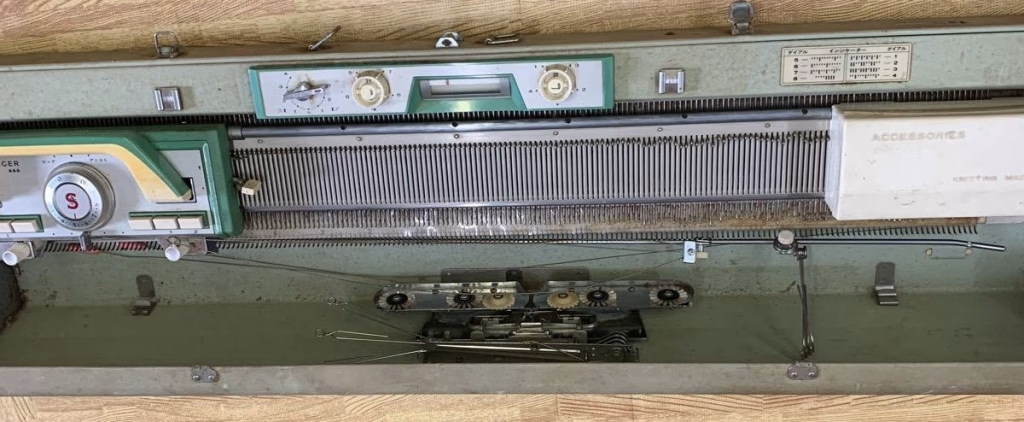
… in progress as I am currently refurbishing one.
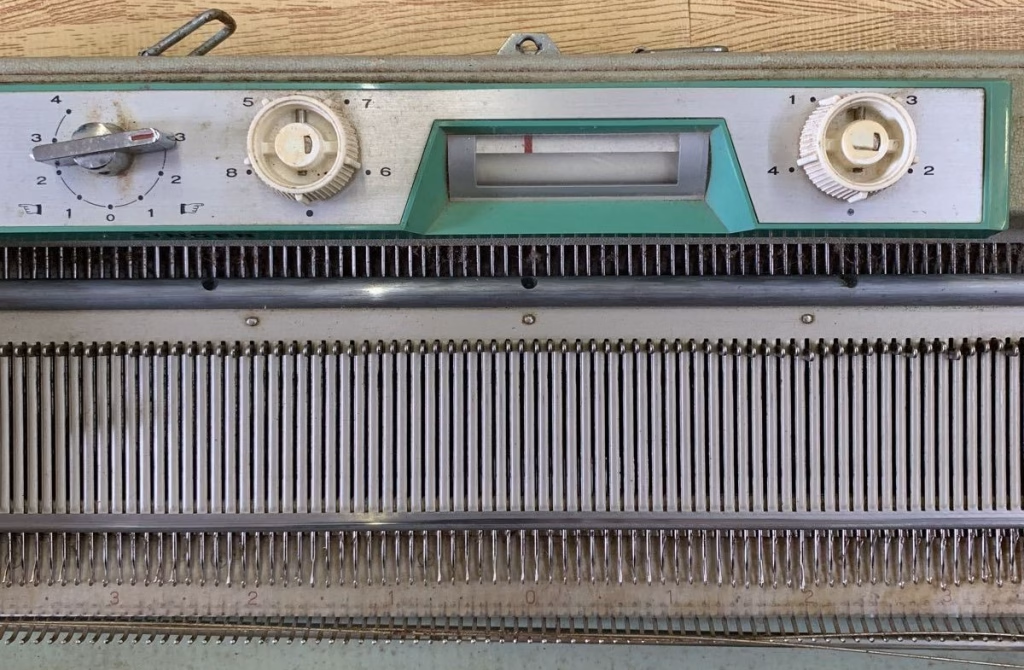
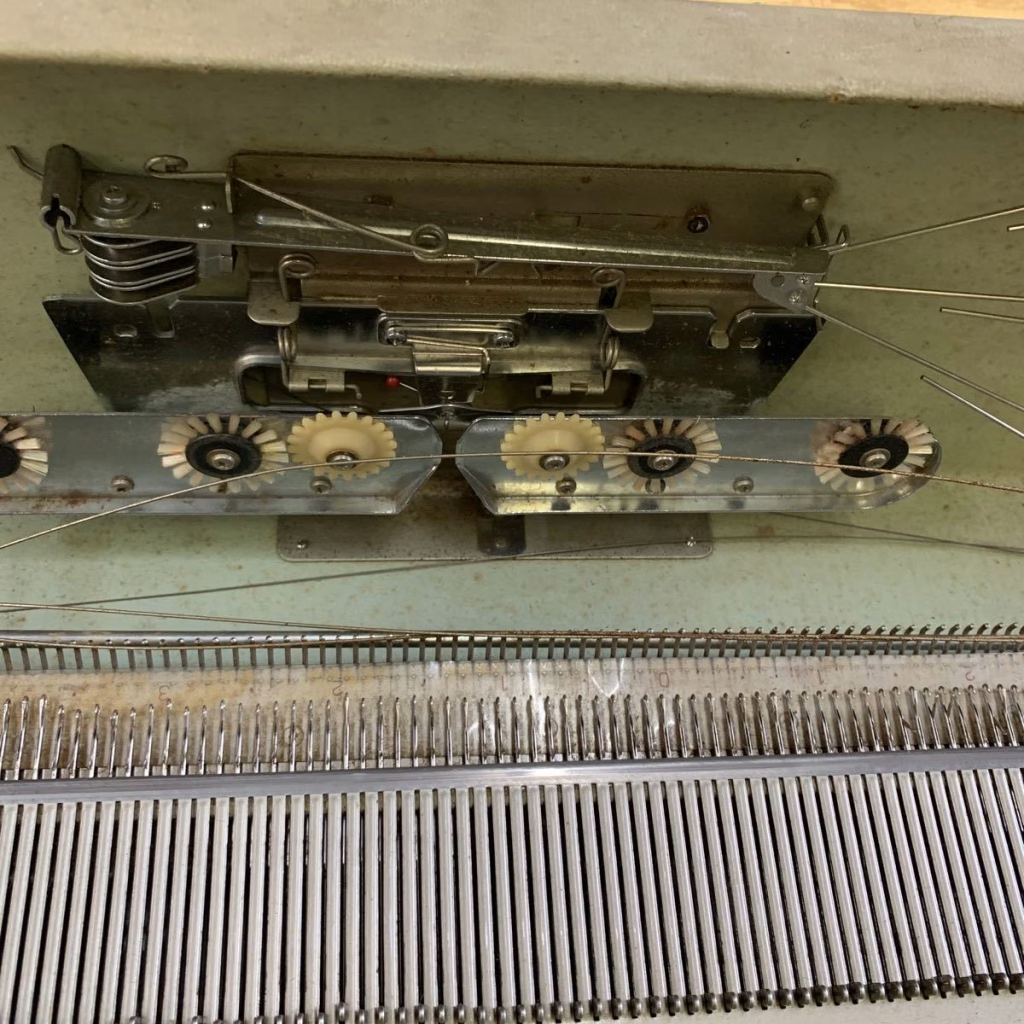
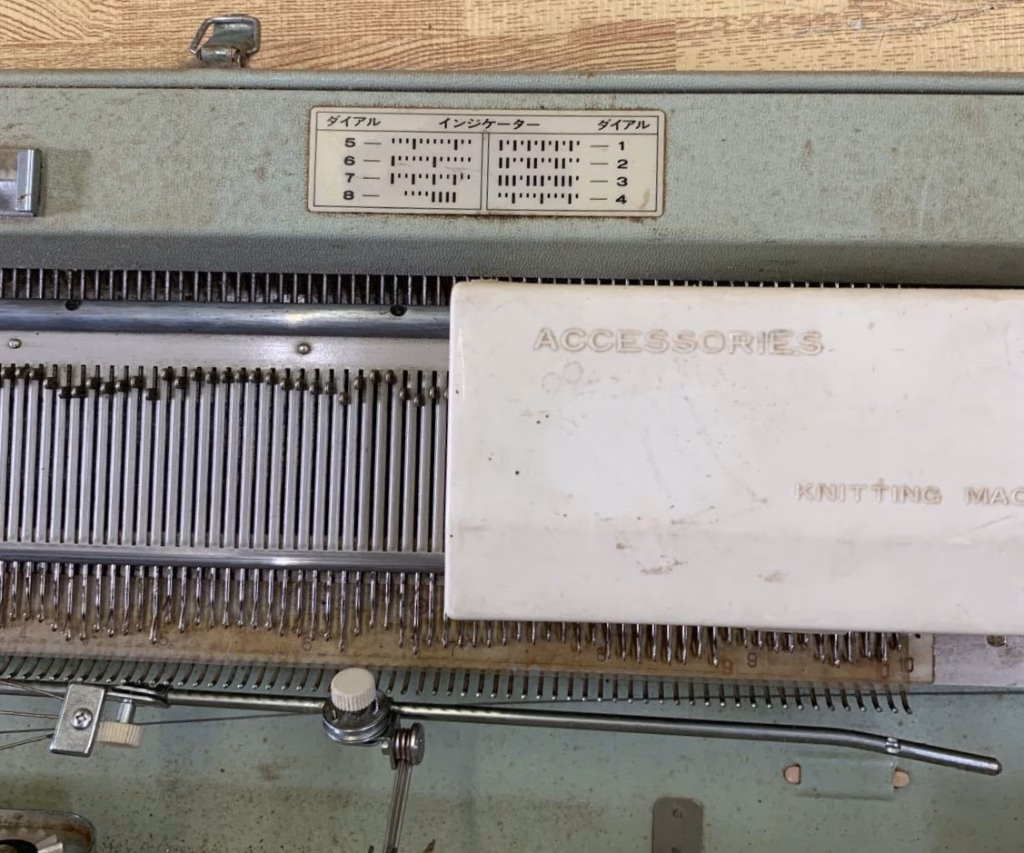
Except for the color scheme and the name, Singer 666 knitting machine is identical to the Silver SK-301 knitting machine model, with its round radio-button-like turn knob knobs, three-color mast, and dial indicator on the right-hand side of the needle bed.
Both Singer 666 and Silver SK-301 have all-metal end caps (unlike it later counterparts, listed at the end, which have plastic, but super sturdy, end caps). Metal end caps are a huge advantage when shipping these machines because they do not break (just maybe bend) as plastic ones do. But they probably make the machine heavier.
Talking about end caps: they are much harder to remove (for example, for deep cleaning, or for servicing) than in similar later models. There are no service manuals, so I pretty much had to figure out on the fly how to remove the machine from the case without losing a bunch of hardware.
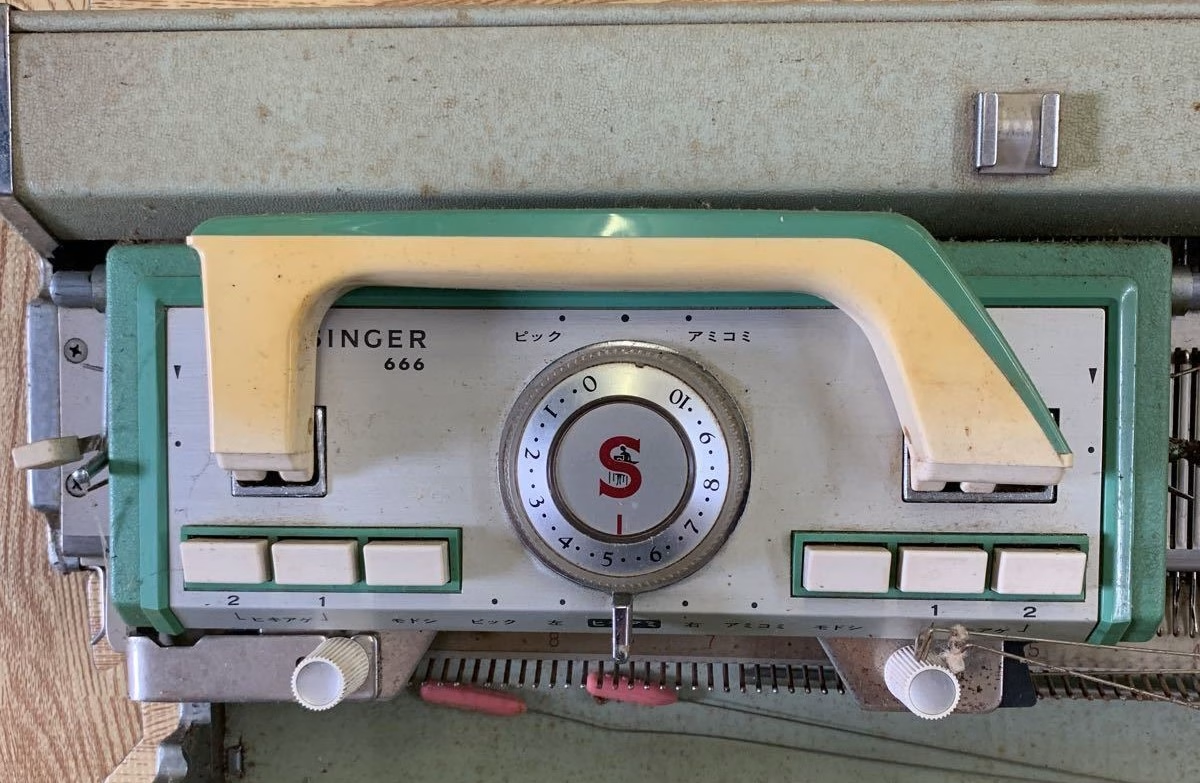
Notice the ergonomic design of the foldable carriage handle.
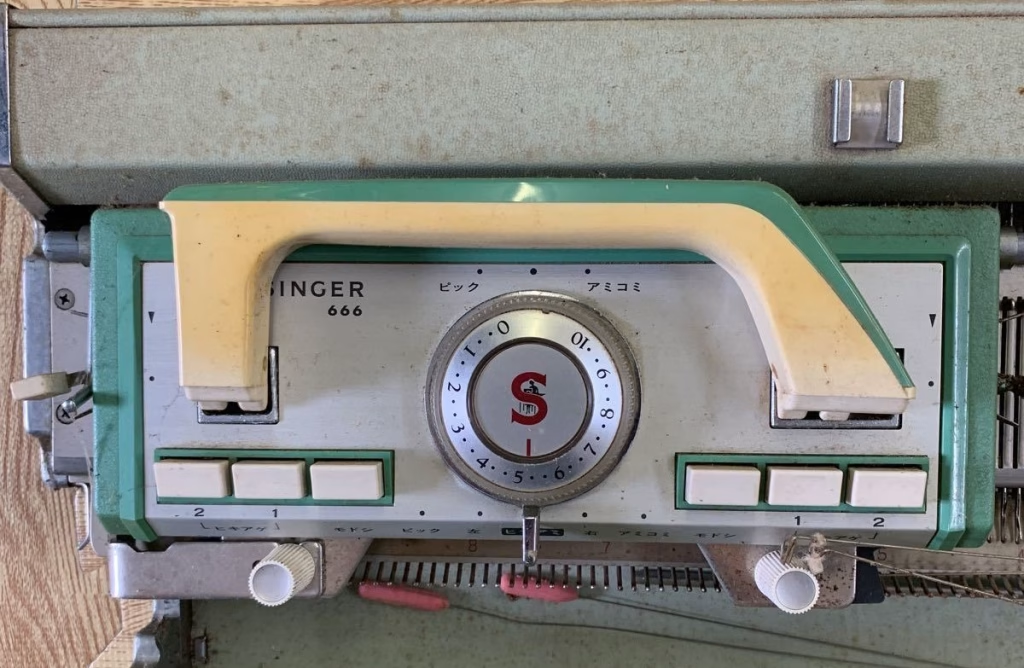
Thus, read the corresponding post about Silver SK-301 while enjoying the pictures of Singer 666 below. If you are looking for a manual, there is a free on available online for Silver SK-301. Thus, an SR301 ribber might work with the Singer 666. No other accessories/add-on known to the knitter community will work with Singer 666.
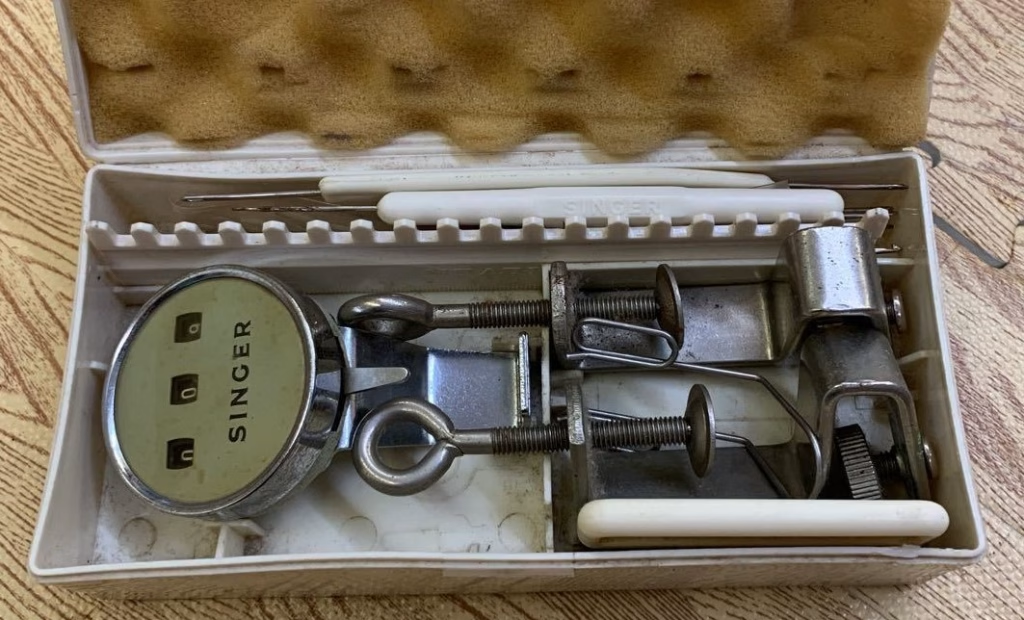
Despite vintage features (clip-on round row counter and S-shaped table clamps), the carriage handle folds and the carriage itself selects the needles – which is typical for Singer/Silver Reed/Studio knitting machines, unlike Brother machines, where the needles are selected by the plates.
The sinker plate is a bit larger than that of Singer 888.
PROS:
- light weight
- compact
- easy to disassemble and remove from its case
- end caps are easy to remove from the needlebed and are attached to the main bed by metal hardware
- needles similar to the ribber (easy to find)
- The carriage is very easy to remove from the needlebed if it is jammed
- manual and pattern cards are available online for free
- sturdy end caps
- excellent for those who like the satisfaction of manual stitch manipulations
- excellent for beginners
- no ratchet tool is required to move the needles forward (like in Brother push-button machines)
- it is significantly faster to perform needle selection than manually and than the Brother push-button knitting machines (which involves the lever movement every time the needles need to be brought forward)
- needle selection pattern versus turn knob combinations is shown on the front panel: no need to constantly refer to the manual
- ribbers were available to convert Singer 666 into a double-bed machine
- metal end-caps, which will not break (but might just bend) when the machine is dropped (for example, during shipment)
CONS:
- bunch of knobs, buttons and levers might at first seem confusing
- vintage row counter if misplaced is hard to find
- somewhat limited patterning capabilities: manual needle selection is needed for complex patterns and patterns with more than 8 needle repetition
- colored fair isle requires manual yarn manipulation (the knitter will need to lay the yarn onto the needles with open latches; might seem tedious on larger projects but makes it easy to knit single motif patterns)
- limited number of add-ons: only ribber (no knit leaders, no color changers, no lace carriages, etc).
- replacement parts (row counter, sinker plate) might be hard to find if the machine came without them. Only some parts are interchangeable with similar turn-knob models.
- Might be a bit heavier than its later counterparts that have plastic end caps
Other and similar turn-knob machines are Knitmaster ES-302, Knitmaster mod. 305, Riccar RK-601, Silver SK-302, Silver SK-303, Silver SK-305, Studio SK-301, and Studio SK-303. Despite similarities, Singer 666 has somewhat vintage features. For example, it has a tension mast capable of handling three threads at the same time. However, the sinker plate for Singer 888 and Studio SK303 does not fit Singer 666 (this one is wider).